I Got Colored Coins Working on Modern Bitcoin Core. Now What?
Explore my tools: agents-skills-plugins
The Original Token Protocol
Before Ethereum. Before ERC-20. Before the ICO mania of 2017. There was Colored Coins.
The idea was elegant: use Bitcoin's existing transaction structure to represent any asset. Stocks, bonds, property deeds, concert tickets, anything. You "color" satoshis to represent ownership, and the Bitcoin blockchain handles the rest.
The protocol specification is still sitting on GitHub. 143 stars. Last meaningful update years ago. A relic from an alternate timeline where we built tokens on Bitcoin instead of creating a thousand new blockchains.
But here's the thing: that timeline isn't as alternate as we thought.
The L1 Token Renaissance We Already Had
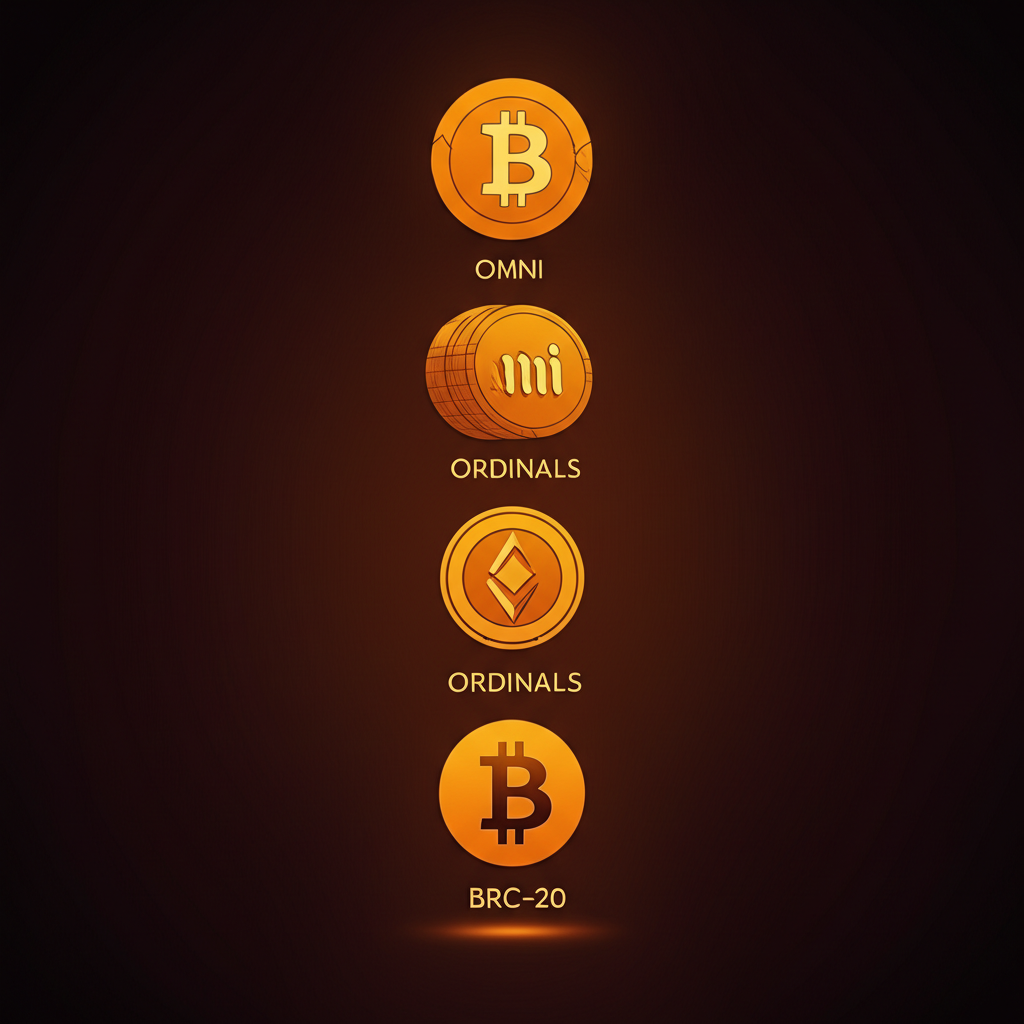
People keep building tokens on Bitcoin. They just keep reinventing the wheel.
Omni Layer (2013) - The Mastercoin protocol that became Omni. Tether started here before moving to Ethereum. Real tokens, real value, Bitcoin L1.
Ordinals (2023) - Casey Rodarmor inscribed data into individual satoshis using the witness data from SegWit. Suddenly everyone remembered you could put things on Bitcoin. NFTs on L1. The community lost its mind.
BRC-20 (2023) - Someone looked at Ordinals and said "what if we inscribed JSON that represents fungible tokens?" A protocol built on a protocol built on a workaround. Billions in market cap within months.
All of these are tokens on Bitcoin Layer 1. All of them work. And all of them are more complex than Colored Coins.
Ordinals uses witness data and inscription indexers. BRC-20 requires off-chain indexing to track balances. Omni has its own transaction format layered on top of Bitcoin.
Colored Coins? Just OP_RETURN with a simple encoding scheme. The original. The simplest.
OP_RETURN Is Back
Here's what changed: Bitcoin Core v30 expanded OP_RETURN limits. The 80-byte restriction that pushed everyone toward creative workarounds? Relaxed. You can put real data in OP_RETURN again.
This matters because Colored Coins was designed for OP_RETURN. Clean. Intentional. Not a hack on witness data or inscription workarounds. Just... putting token metadata where it belongs.
Maybe it's time to revisit the basics.
I decided to see if it still works.
The Experiment
I pulled down the spec, set up a modern Bitcoin Core node, and started implementing. My expectation? Days of debugging. Outdated dependencies. Broken opcodes. The usual archaeology project.
What actually happened?
// Colored Coins: still works on Bitcoin Core 2026
const coloredOutput = {
  script: bitcoin.script.compile([
    bitcoin.opcodes.OP_RETURN,
    encodeColoredCoinMetadata({
      assetId: generateAssetId(issuingAddress),
      amount: 1000,
      divisibility: 0,
      metadata: { name: 'TestToken', symbol: 'TST' }
    })
  ]),
  value: 0
};
It just... worked.
The blockchain skills I've built up, the same ones I use for OP_RETURN experiments and Lightning development, handled it with almost no modification. The protocol is simple. Bitcoin's scripting is stable. The fundamentals haven't changed.
In an afternoon, I had tokens minting on testnet.
The Uncomfortable Question
So here I am, with working Colored Coins on modern Bitcoin Core, asking myself: if this is so easy, why is nobody doing it?
The obvious answer is cost.
A Colored Coins transaction on mainnet during high-fee periods? 15,000+ sats. At current prices, that's real money for what Ethereum does for a few dollars (and Solana does for fractions of a cent). The economics don't make sense for high-frequency token transfers.
But that's not the whole story.
The Lightning Escape Hatch
Everyone who's tried to build on Layer 1 Bitcoin eventually has the same realization: fees make it impractical for most use cases. The solution? Move to Layer 2.
Lightning Network is flexible, fast, and cheap. Want to build a token system? RGB Protocol is doing exactly that. Colored Coins concepts on Lightning. Better economics. Same security (eventually settled to Bitcoin).
// The Layer 2 answer
// RGB: Colored Coins concepts, Lightning economics
const rgbAsset = await issueAsset({
  ticker: 'TST',
  name: 'TestToken',
  supply: 1000000,
  // Settles to Bitcoin, operates on Lightning
});
So the smart money moved to L2. Layer 1 became a settlement layer for high-value, low-frequency transactions. The token experiments moved elsewhere.
But something bothers me about this.
The Case for Layer 1
Lightning is great. I'm building on it. But there's something different about a token that exists directly on Bitcoin's base layer.
- No channel management. The asset exists. Period.
- No liquidity requirements. You own it or you don't.
- Maximum decentralization. Every Bitcoin node validates your token.
- True permanence. No Lightning node going offline, no channel closures.
For certain use cases (property deeds, stock certificates, high-value collectibles) the extra cost might be worth it. You're paying for the most secure, censorship-resistant ledger in existence.
Should It Be Me?

I keep coming back to this question.
The Colored Coins spec works. The tools exist. The blockchain hasn't rejected it. Someone could build a modern token platform on Bitcoin Layer 1, focused on use cases where the security premium is worth the cost.
Real estate tokenization. Fine art provenance. Corporate stock certificates. Things where you'd gladly pay $20 per transaction for the guarantee of Bitcoin-level security.
Is anyone building this? Not really. Most Bitcoin developers are focused on Lightning. Most token developers are on Ethereum or Solana. The intersection, tokens on Bitcoin L1, is a ghost town.
// The opportunity (or the trap?)
const realEstateToken = await createColoredCoin({
  assetId: 'property-deed-123-main-st',
  metadata: {
    propertyAddress: '123 Main Street',
    legalDescription: '...',
    recordedWith: 'County Assessor'
  },
  // Worth $20 in fees? For a property deed? Maybe.
});
I've been in Bitcoin since 2013. I run Chainbytes. I have the skills. I have the infrastructure.
But do I have the conviction to build something that everyone else has abandoned?
The Real Question
Maybe the market has spoken. Maybe Layer 1 tokens are a solved problem that nobody wants to solve again. Maybe Lightning and RGB are the right answer, and Colored Coins belongs in a museum.
Or maybe everyone's been so focused on Layer 2 that they forgot Layer 1 is still there, still stable, still the most secure ledger on the planet.
I'm not sure yet. But I got the protocol working. The code is sitting on my machine. The testnet tokens exist.
Someone should be building this. The question is whether that someone is me.
What do you think? Is there a future for Layer 1 Bitcoin tokens, or has that ship sailed? Find me on X to discuss.
One reaction per emoji per post.
// newsletter
Get dispatches from the edge
Field notes on AI systems, autonomous tooling, and what breaks when it all gets real.
You will be redirected to Substack to confirm your subscription.